FiB Mastery: Mastering the Art of Casting for Independent Short Films
Updated: Aug 10
Manuela Romero Samacá
Casting Director • Director • Producer
Meet Manuela Romero Samacá (pic below), a casting director and independent filmmaker who pulls back the curtain on the art of casting for independent short films.
Focusing on the realities of independent short films, we'll explore her creative process behind casting projects that have gone on to successful festival runs. From working within limited budgets and resources to identifying the emotional essence of a character beyond what's written on the page, Manuela shares how openness, collaboration, and creative flexibility can transform the casting process.
Together, we'll examine how meaningful partnerships between directors, casting directors, and actors can elevate a short film from its earliest stages and lay the foundation for a successful production.

Why work with a casting director?
Casting is a process that requires administrative savvy ,thoughtful communication, and discerning taste. Maintaining casting lists,scheduling dozens of actors, and quick emotional attunement (with directors, writers, performers, and anyone else involved in the process) in order to find the right actors and collaborators is an exhaustive endeavor, but it is also an opportunity to learn more about the project and the story you are trying to tell.
“Having a dedicated person that is intentional at each step of the way allows creative teams to dig deeper into the characters and the choices that affect the story while leaving ample room for exploration. It also means that you are adding an experienced and knowledgeable collaborator that will add a new layer of nuance, meaning and understanding to the piece.” Manuela Romero Samacá
In a casting process everything starts with a breakdown of the characters:
Who are they? How old are they? What identities are important to who they are? Do they need to have any special skills?
Some of the particular questions Manuela likes asking are:
What power dynamics are there at play in the script that we should consider when casting? What are the non-negotiables for each role?

It then moves on to a breakdown of production:
First and foremost, what is the budget for casting!
Then the specifics, how many days will each actor be needed on set? Are there any minors? Are we a union or non-union production? Will the shoot be local or will it require travel?
Talk about whether there is room in the budget to cover for transportation (Ubers, gas and tolls, flights if they aren’t local, etc.) , lodging and/or agent/manager fees.
Some important basics to know according to Manuela:
The SAG minimum for an actor (for ultra-low budget projects) is $250. If your project isn’t a SAG production, then you aren’t beholden to this rate. However, you should make adjustments with the understanding that the SAG minimum is widely considered to be a floor for an actor’s daily labor.
If you are working with minors, you need to check your state’s laws! The amount of hours you are allowed to have an underage performer on set and working are different from adult performers.
If you are hiring performers that aren’t local or you are traveling for your shoot, consider how you will facilitate food, housing and transportation for your talent (and also hopefully crew). Under SAG rules, you would have to provide all three of those and a per diem (again, if it is a non-union project, this is not a rule but definitely a floor to consider).
Consider what kind of timeline and audition process best serves the project:
There is no one-size fits all approach. By what date do they need to be cast? Will there be rehearsals? Are in-person auditions necessary? Do you need chemistry readings? Besides reading sides, what other exercises or conversations would be helpful to see or discuss during an audition?
Manuela’s advice:
Be considerate!
You don’t need long sides to assess whether an actor is right or not for a role (sides should not be longer than 1-2 pages).
Give performers enough time to submit their tapes (48hrs are the minimum, start there), and try to be reasonable when scheduling auditions - make sure to work with their conflicts and make sessions accessible (location, remote options, etc.).
Don’t ask anyone to do anything you wouldn’t do yourself, and be respectful!
Go into an audition process with curiosity and openness. This is part of the creative development process and if you aren’t learning anything about your project through it, then maybe reconsider your mindset.

Once you find the right people: be organized, be communicative, and put it down in writing.
No matter how big or small the production, you should make contracts and discuss the small details of the agreement. It is better to agree from the beginning on whether production will be able to cover for their transportation or if they’ll need lodging closer to set.
Make sure to have as much information as possible about the talent’s availability. This is hopefully something you are getting information on throughout the casting process, but double-checking at every step is better. It is helpful to know if they are working on a project right before the shoot, or right after. Or if they live really far from where you will be shooting. Or if they have work they need to take off. All of these variables can affect production schedules, and it is important to communicate that information to production as soon as possible.
Manuela’s advice:
Day rates aren’t the full picture. There are other expenses when hiring talent (and other collaborators for that matter). Be honest about the size and financial bandwidth of your production, but also be realistic about what you are asking someone to do for the amount of money you have. If you can’t pay a minimum rate, maybe you can cover for people’s transportation or for their rehearsal time, or maybe reconsider how much time you are asking of someone!

Manuela Romero (she/her) is a filmmaker and theater maker from Bogotá, Colombia, currently based in New York City. She specializes in directing, casting, and creative development. Manuela holds a BFA in Drama and a BA in Political Science from New York University, and an MFA in Film Directing from the Feirstein Graduate School of Cinema. Projects she has cast have screened at Tribeca, Austin Film Festival and Palm Springs Shortfest. Also, she is currently part of the programming team at Shorts Movie Theater (opening Fall 2026).

Recent past casting projects include:
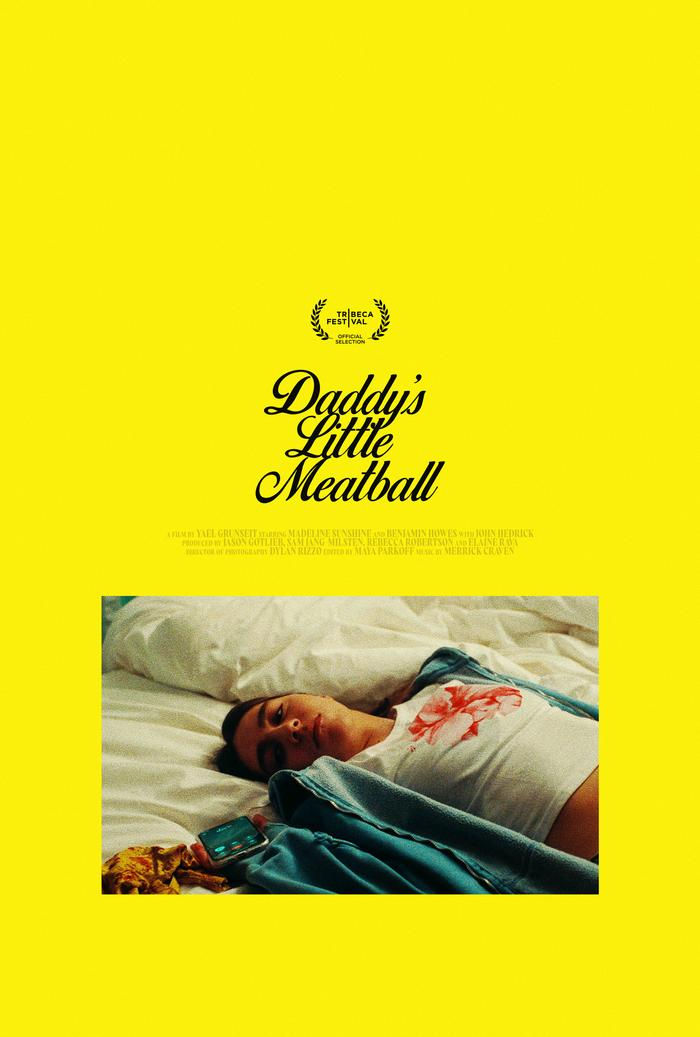
Daddy’s Little Meatball
Tribeca Festival, Official Selection, New York Premiere (2026)
Melbourne International Film Festival, Official Selection, Victorian Premiere (2026)
Palm Springs ShortFest, Official Selection (2026)
Flickerfest, Official Selection, World Premiere (2026)
Santa Barbara International Film Festival, Official Selection, US Premiere (2026)
King of Games
Chelsea Film Festival, Official Selection, World Premiere (2026)
Austin Film Festival, Official Selection (2025)
Dances with Films LA, Official Selection (2026)
NewFilmmakers LA, Official Selection (2026)
Safe in My Skin
Nantucket Film Festival, Official Selection, World Premiere (2026)
Spinning Memories
Maryland Film Festival, Official Selection, World Premiere (2026)

Many independent filmmakers, especially those making their first short films, assume that casting directors are reserved for larger-budget productions. In reality, they can become one of a filmmaker's most valuable creative collaborators.
One of the biggest misconceptions in independent filmmaking is that casting directors are a luxury reserved for larger productions. As Manuela demonstrates, thoughtful casting is not necessarily about the size of the budget rather more about maximizing the resources you have, discovering the right talent, and building a collaborative process.
For filmmakers in the early stages of their careers, my advice is to begin building relationships with casting directors now. A casting director who understands your instincts, your storytelling, and the types of performances you're drawn to becomes a long-time creative partner who can help bring your vision to life.
— On behalf of Filmmakers in Boardrooms, published by Julissa Scopino